Islamic ethics (32)
-

Ethics:
ReligiousThe Path to the Shore of Tranquility
To reach the shore of tranquility, there is no path other than connecting with the One who is worshipped (Ma'bud)—the One in whose hands lie the keys to all hearts. He has the power to turn the…
-
Ethics:
ReligiousWho are the champions of God?!
Since everything has its own affliction, one of the afflictions of worship is laziness. Laxity and negligence in matters of worship are among the signs of being deprived of divine grace and success…
-

Ethics:
ReligiousChoose Your Eternal Companion Today
From this very moment, we must begin thinking about our companion in the Hereafter—the companion who is destined to be a perfect reflection of who we are, the companion who will remain by our…
-
Ethics:
ReligiousWhich Sin Is Worth More in the Sight of God Than a Good Deed?!
Perfection and spiritual progress mean drawing closer to God and ultimately reaching Him. True progress means moving along the path toward God and reaching Him; otherwise, even if we attain the…
-

Ethics:
ReligiousThe Light That Leads Us to God
Without understanding and recognizing the Imam (Intermediary between man and God), it will likewise be impossible to know Ma'bud (the One who is worshipped); for without light, one can never…
-

Ethics:
ReligiousWhen the Mirage Fades: Discovering What Truly Remains
The Almighty has repeatedly revealed to us the illusory nature of transient worldly attachments, perhaps so that, by letting go of everything that separates us from God, our hearts may take on…
-
Ethics:
ReligiousWhat Is the Only Thing We Should Fear?
On the Day of Judgment, when the only true possession a person will have is a sound heart—the very heart that has been imbued with the fragrance and scent of God—we will come to realize clearly…
-

Ethics:
ReligiousMr. Manager! Are You Paying Attention to Those Under Your Authority?
There are numerous teachings and emphatic recommendations in the noble religion of Islam concerning the observance of the rights of those under one’s authority. Paying attention to these teachings…
-
Ethics:
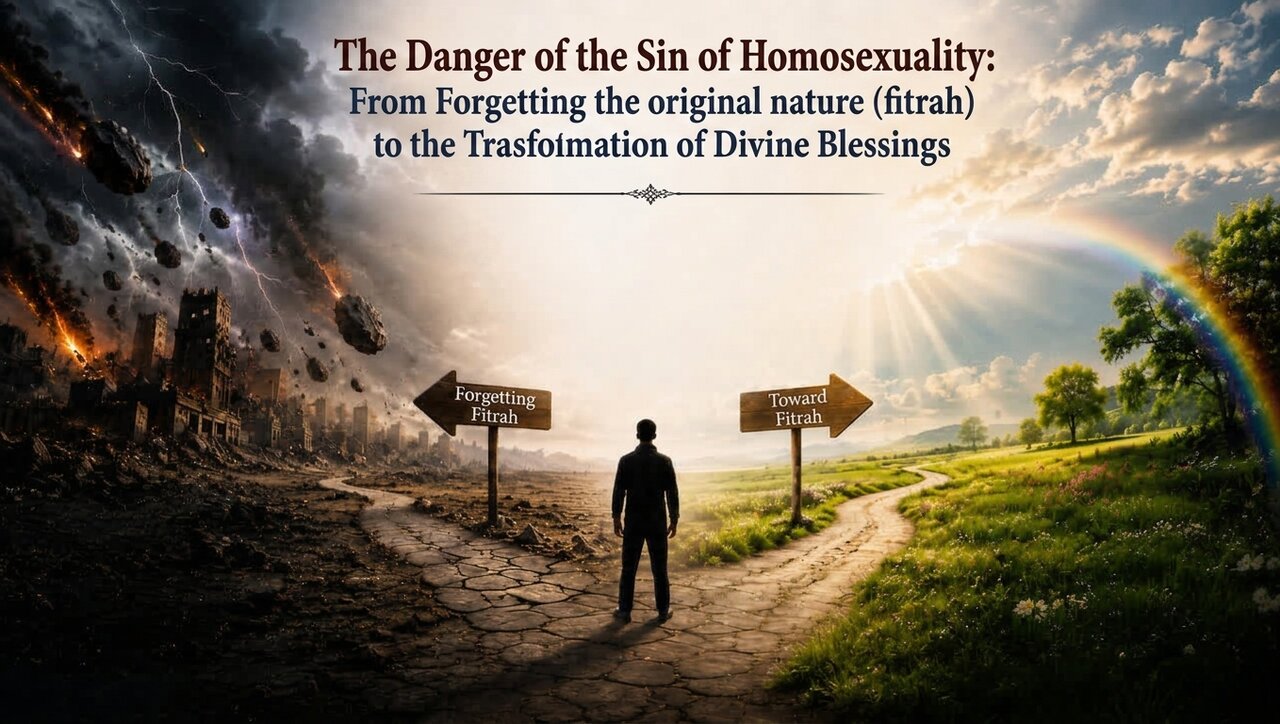
ReligiousThe Danger of the Sin of Homosexuality: From Forgetting the original nature (fitrah) to the Transformation of Divine Blessings
Turning away from the path of the divinely ordained original nature causes divine blessings to lose their intended form; transforming the “rain of mercy” into “stones of punishment”—an image…
-

Ethics:
ReligiousHave You Chosen the Right Companion for Your Journey to the Hereafter?
When the son of Adam reaches the last day of his life in this world and the first day of his life in the Hereafter—at the time of his death—his wealth, his children, and his deeds are brought…
-

Ethics:
ReligiousHow to Remain on the Straight Path
Excess and deficiency can lead a person away from the path of guidance, for the state of balance is the very Straight Path that we ask of God Almighty at least ten times a day in our obligatory…
-
Ethics:
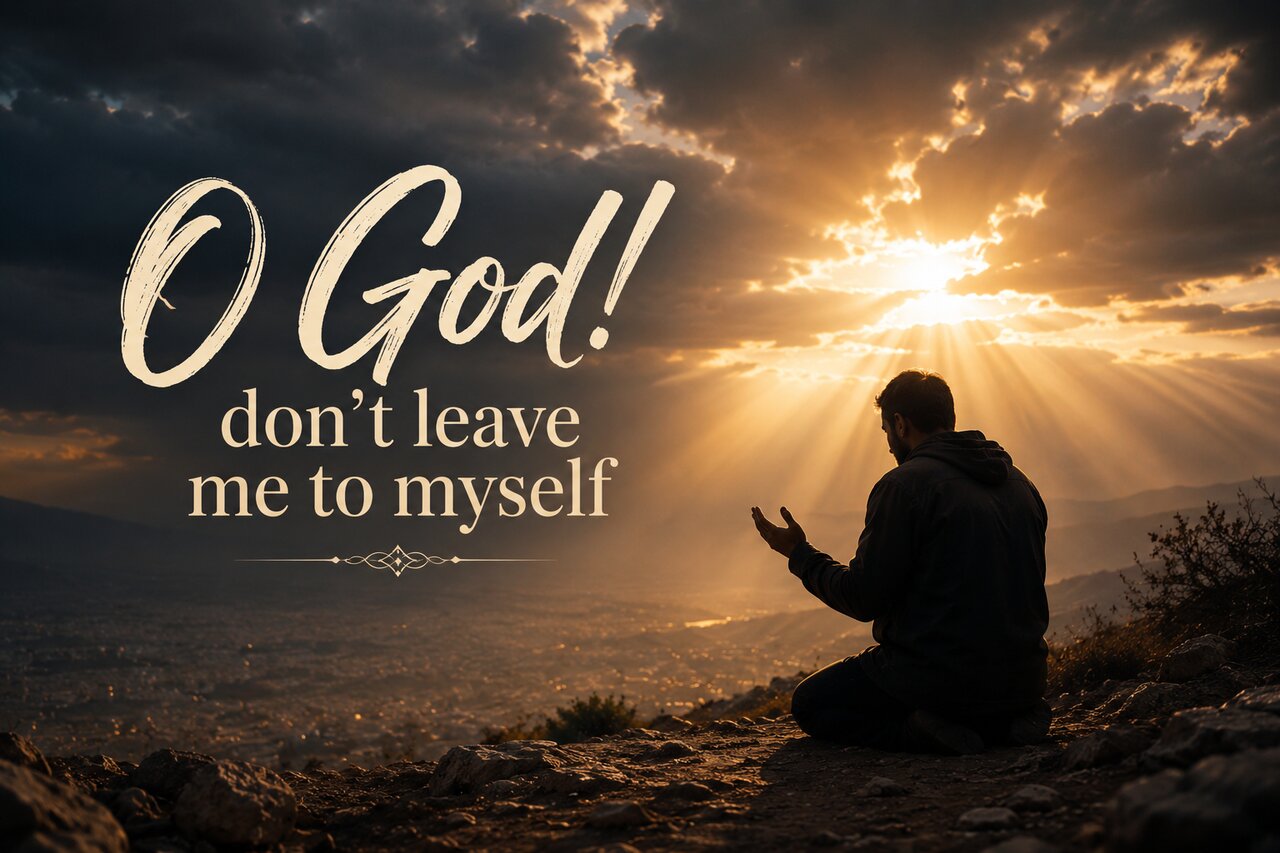
ReligiousO God! don't leave me to myself
“O God! Grant that I may always be with You. Grant that I may forever revolve around Your love. Let Your pleasure be my pleasure, Your wrath be my wrath, and Your will be my will. For how could…
-

Ethics:
ReligiousO God, take charge of my affairs
How can a human being, who possesses the potential to subjugate the universe, forget the true worth and status of his position in existence, and squander his immense existential capacities in…
-

Ethics:
ReligiousToday’s Negligence, Tomorrow’s Awakening!
A true believer, possessed of insight and vigilance, is never caught off guard by the enemy’s words or actions. Always weighing every facet of the situation and relying firmly upon the Infinite…
-

Ethics:
ReligiousFlee toward God
If one truly understands that “any choice or support that lacks the fragrance and hue of the Divine will eventually turn into one’s adversary,” they will direct all their attention, inclinations,…
-
Ethics:
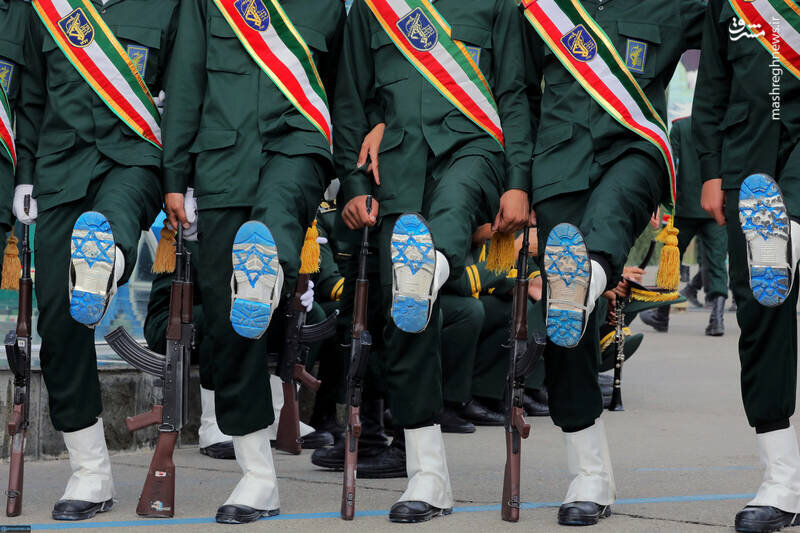
ReligiousA Weak and Cowardly Muslim Has No Place in the Logic of the Qur’an
In every age, the front of disbelief exists in opposition to the front of faith. The disbelievers and enemies of God have never had the patience or capacity to endure the realization of true…
-

Ethics:
ReligiousThe Only Thing Worthy of Regret
Whatever a person loses or fails to attain falls into one of two categories: it is either a worldly affair or an otherworldly (spiritual) one. If it concerns worldly matters, it is never worth…
-

Ethics:
ReligiousDo Not Expose Others, Lest You Be Exposed
The Unique and Peerless God, despite being fully aware of our faults and possessing the power to expose us, is the “Veiler of Faults” (Al-Sattar). How, then, is it possible for a servant of God…
-
Ethics:
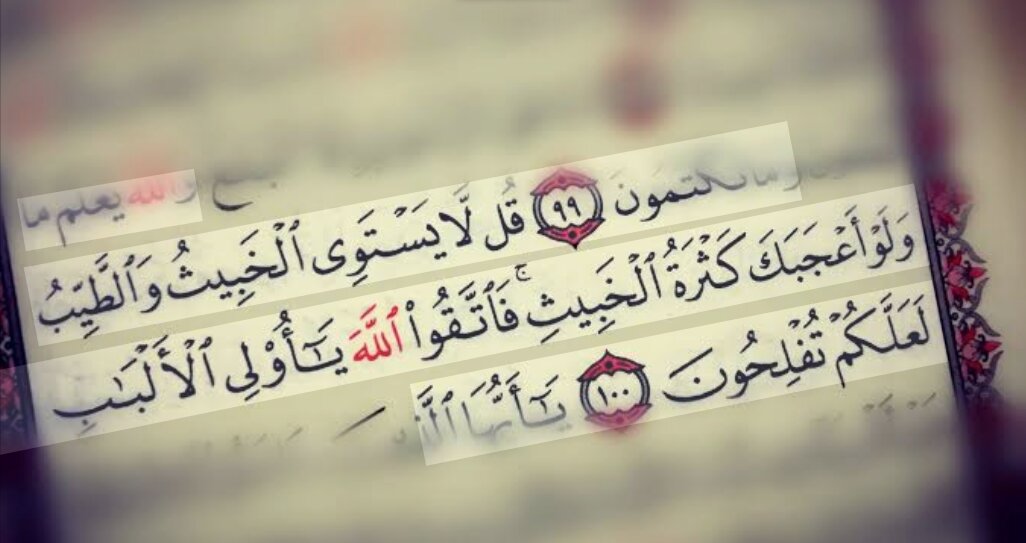
ReligiousAccept the Truth Even from Those Who Follow Falsehood
In the logic of Islam, majority does not equate to superiority, nor does a minority signify falsehood. The standard and criterion for superiority in the Islamic perspective is “the Truth” (Haqq);…
-

Ethics:
ReligiousA Strategy for Attracting Distant Hearts
A person of good character is like a tree whose very essence, influenced by moral beauty, has become so vibrant and lush that others gather around him like branches, benefiting from the grace…
-

Ethics:
ReligiousHumility; the path to honor!
Material and worldly standards have become prominent in showing respect to individuals, while spiritual criteria are gradually fading away.
-

Ethics:
ReligiousThe Path to Deliverance from Sorrow and Affliction
Some people, during the afflictions, problems, and sorrows of life, blame God. This very tendency may cause them to distance themselves from Almighty God and abandon their religious obligations.
-

Ethics:
ReligiousThe Only Court Where the Judge Is the Criminal Himself!
Reflecting upon the reality that one day, everything we have done — both good and evil — will be unveiled before our eyes in the Divine Court of Justice, can keep alive within us the awareness…
-

Ethics:
ReligiousHow Can One Be Freed from the Sin of "Taking Sin Lightly"?
One of the factors that sometimes leads a person to dare before Almighty God and commit sin, or to show little concern for repentance afterward, is belittling sin and disobedience. According…
-

Ethics:
ReligiousSpiritual Remedies for Envy
It suffices, in condemning the vile trait of envy, to note that its result has been described as misery in both this world and the Hereafter; therefore, one must strive to cure it.
-

Ethics:
ReligiousGratitude for Blessings Is Greater Than the Blessing Itself
One of the teachings that can bring abundant fruits to a person’s worldly and eternal life is showing gratitude and thanks for the blessings bestowed by God. There are points in this regard that,…
-

Ethics:
ReligiousTwo Callers and One Common Promise
What has been entrusted within the human being is the innate sense of eternity and permanence. In other words, every person who truly perceives their inner reality can never be content with annihilati…
-

Ethics:
ReligiousDo Not Sell Yourself for Less Than Paradise
A wise and thoughtful person never consents to sell their goods or capital for a cheap and insignificant price. Our lifetime — along with the divine blessings placed at our disposal — is the…
-

Ethics:
ReligiousAccept Your Brother’s Excuse — Even If He Lies
There are times when some people have committed wrongs and now come seeking forgiveness and pardon, yet they have no valid excuse for what they did. Still, they come humbly, ashamed and remorseful.…
-

Ethics:
ReligiousO God! Look Upon Me with Love
Truly, the lovers of this world must sit humbly and learn in the school of love taught by Imam al‑Sajjad (peace be upon him), so that they may adorn and perfume themselves with divine color and…
