

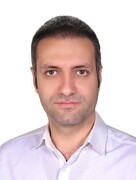
Hawzah News Agency- Speaking at a conference in Qom on Wednesday, November 25, Sheikh Abdullah al-Daqqaq said the Bahraini people are honorable, proud, and resilient, but the Al Khalifa regime has launched widespread attacks against Islam and the country's Shia community through judicial rulings and security measures.
The conference, titled "Support for the Scholars of Bahrain and Kuwait," was organized by the Cultural, Propaganda, and New Media Deputy of the Islamic Seminary's Office of Propaganda in Qom to express support for religious scholars and condemn judicial rulings issued against them.
Al-Daqqaq said the denationalization of 69 Shia clerics was not limited to the scholars themselves but extended to their family members, including fathers, children, and grandchildren. Among those affected is Ayatollah Ibrahim al-Ansari, a well-known Bahraini scholar whose family has also been stripped of citizenship and expelled from the country, with relatives now scattered across Ireland, Iran, and Bahrain.
He noted that 41 Bahraini clerics have been arrested, including five who teach advanced seminary courses. Some clerics and religious figures who represent major religious authorities and prominent figures in the Islamic world have also been forced to leave Bahrain. Charges have been filed against 11 clerics abroad, the most prominent being Ayatollah Sheikh Isa Qassim.
Criticizing the judicial process, al-Daqqaq said the judge spoke for only about two minutes when announcing the verdicts, reading out five names and sentencing them to 15 years in prison while condemning the remaining defendants to life imprisonment. He said the judge spoke with anxiety and trembling, yet the clerics present stood firm and courageous in the face of the rulings.
The Bahraini scholar also cited the regime's restrictions on religious activities and the independence of Shia endowments (awqaf), noting that the Shia awqaf, previously an independent institution separate from Sunni endowments, was merged with Sunni awqaf and placed under the relevant ministry, despite both having operated independently for hundreds of years.
He said restrictions on religious ceremonies have extended to bans on mourning rituals in Hussainiyas and even in people's homes. Recently, several Hussainiya officials were arrested and summoned to court for holding ceremonies commemorating the martyrdom and passing of Hazrat Umm al-Banin (PBUH).
Referring to developments following the 40-day imposed war, al-Daqqaq said a Bahraini cleric met with him in Najaf and remarked that they had previously heard Iran had targeted positions regarding Bahrain but did not know what impact these measures had. However, after the Al Khalifa regime's recent crackdown on clerics and the issuance of heavy sentences against them, they realized these blows had a significant effect.
Questioning the basis of the charges against the clerics, he said Bahrain's constitution guarantees freedom of belief and opinion, yet it remains unclear on what grounds the government attributes the clerics to a particular country or group and builds legal cases against them on such allegations.
Al-Daqqaq noted that about 85 percent of the content of the indictments issued against the clerics is identical, indicating that the charges were coordinated and drafted by a specific current. During the proceedings, security officers appearing as witnesses said they were unaware of many questions and referred to statements made during interrogations.
He said the cases involved some 16,000 pages of documents and charges, a significant portion related to financial matters, yet only about 90 minutes were allocated to review this volume. In addition, 55 clerics stated that their lawyers were not summoned during the proceedings and were unable to effectively defend their clients.
The cleric stressed that the totality of these matters shows the judicial process and sentencing of Bahraini clerics have been accompanied by injustice, and that these measures could have serious social and political consequences for the Bahraini government and pave the way for the collapse of the country's social order.
Addressing the clerics of Bahrain, he said: "O scholars of Bahrain! You are the jewels and valuable assets of Bahrain and its people, and God has willed to show your brilliance and status to the people of Bahrain, the region, and the world, and to reveal your worth to the world in this life before the hereafter."
He called for a halt to the rulings against Bahraini clerics and urged international organizations, the Arab League, and human rights bodies to take a stance against these rulings and oppressive measures and to work for the release of detained clerics and all political prisoners held by the Al Khalifa regime.
The conference also highlighted remarks by the martyred leader of the Islamic Revolution, who emphasized the need to counter the enemies' policy of creating divisions among Islamic countries and pitting Muslim nations against one another.
In those remarks, he said: "The enemies seek to keep the main enemy—arrogance, its affiliates, and the Zionists—on the sidelines and place Islamic countries against each other; therefore, this policy, which is modern ignorance, must be confronted."
The remarks also stressed defending the oppressed and confronting the oppressors: "We will defend the oppressed and confront the oppressor as much as we can. Islamic awakening may be suppressed temporarily, but awakening and insight cannot be suppressed, and today the Iranian nation and most nations of the region are aware and vigilant."

Your Comment